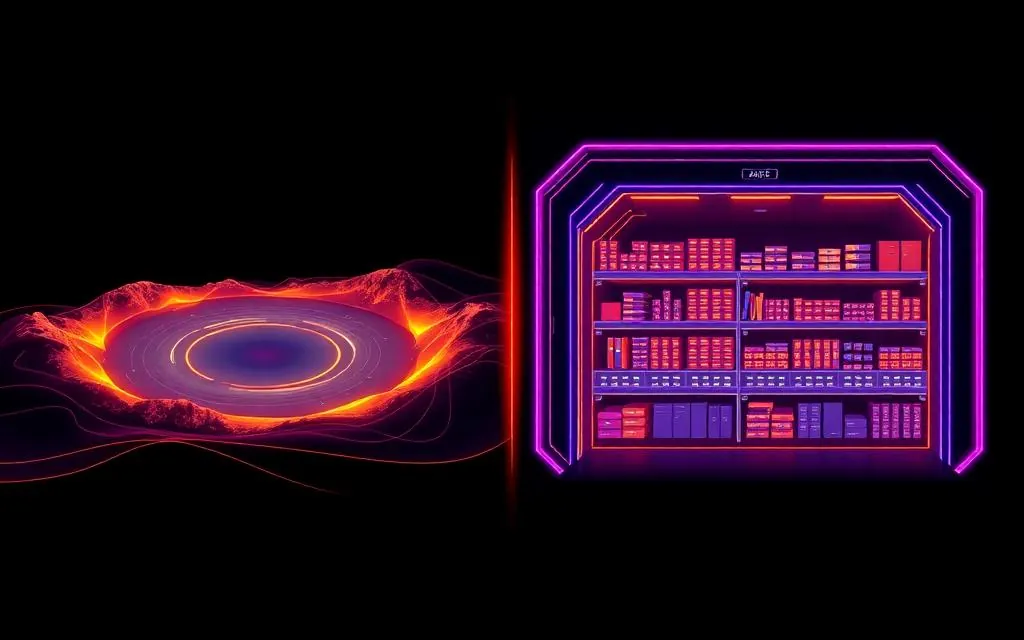


Every AI initiative that fails in production fails for the same reason: the data underneath it wasn't ready. Models can only be as smart as the data they're trained and grounded on, and most enterprise data in 2026 is still fragmented, inconsistent, and trapped in systems that were never designed to talk to each other.
The Three Layers That Matter
- Ingestion: every source — CRM, ERP, product DB, third-party APIs — flowing into one place on a reliable schedule.
- Storage and modelling: a single source of truth (typically a lakehouse on Snowflake, Databricks or Fabric) with clean, governed, queryable data.
- Activation: BI dashboards, AI/ML pipelines, and reverse-ETL pushing insights back into the tools your team uses every day.
What 'AI-Ready' Actually Means
AI-ready data is governed (you know where it came from), consistent (the same customer has the same ID everywhere), queryable in real time (not stale batch dumps), and accessible through APIs and feature stores that models can read directly. Without those four properties, every AI project becomes a six-month data-cleaning project disguised as model work.
Where Most Enterprises Get Stuck
The classic anti-patterns: a dozen point-solution ETL tools, three competing 'sources of truth,' BI dashboards that nobody trusts, and a 'data team' that spends 80% of its time firefighting pipelines instead of producing insights. The fix isn't more tools — it's consolidating onto one modern platform and decommissioning the rest, wave by wave.
Want us to audit your data stack and show you what AI-ready looks like?
Book a data platform auditThe 2026 Reference Architecture
Ingestion via Fivetran or Airbyte. Storage and modelling in Snowflake, Databricks or Microsoft Fabric. Transformation in dbt. BI via Power BI, Looker or Hex. AI/ML pipelines through MLflow and a feature store. Reverse-ETL via Hightouch or Census. Governance via Unity Catalog or Purview. That's it. It's not exotic — it's the stack the businesses winning right now are converging on.
You can't bolt AI onto chaos. The data platform is the foundation — get it right and everything else compounds.
References and sources
- Lakehouse: A New Generation of Open Platforms — Armbrust et al., CIDR 2021
- The Data Warehouse Toolkit (3rd Ed.) — Ralph Kimball, Wiley
- Building Real-Time Data Pipelines — Confluent / Apache Kafka
- Designing Data-Intensive Applications — Martin Kleppmann, O'Reilly
Next step
Build a data platform your AI deserves.
We architect, migrate and run modern data platforms — designed from day one for analytics, AI, and the next decade of growth.