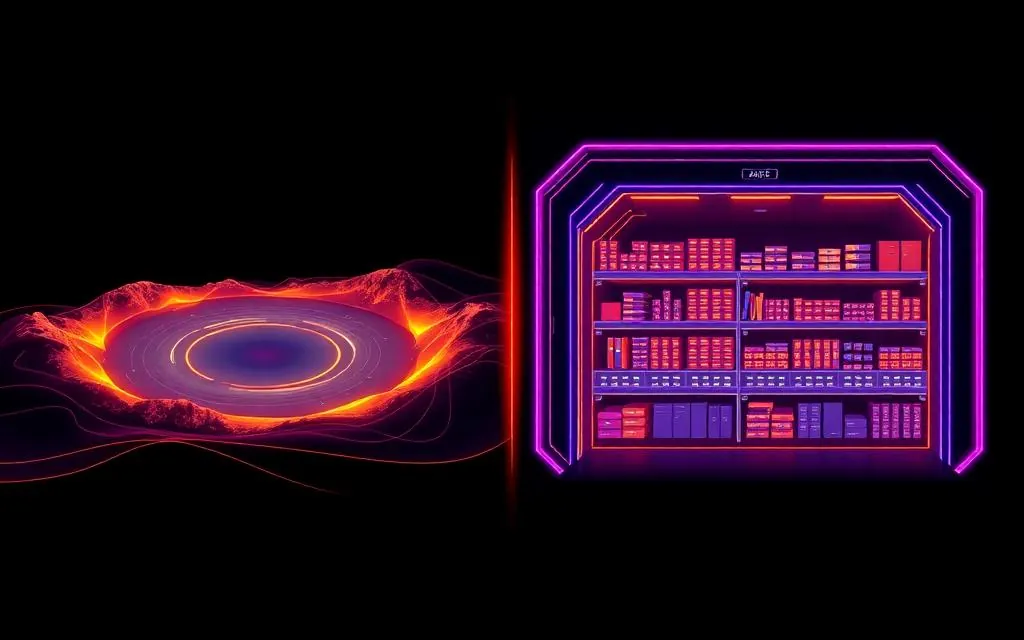


CDC plus streaming beats batch ETL because AI agents and modern operations need fresh data — a nightly snapshot can't power real-time personalization, live dashboards, or an agent acting on current inventory. Change Data Capture (CDC) and streaming pipelines deliver data in seconds instead of hours, replacing the 'nightly batch ETL' default that had gone unchanged for 20 years.
Why Did Streaming Replace Batch ETL as the Default?
Three things made streaming the new default. First, AI agents and copilots need real-time context — they can't act on stale CRM or inventory data. Second, customer expectations moved: live dashboards, real-time personalization, instant decisions. Third, the tooling finally got good — Debezium, Kafka, Flink, Materialize, RisingWave, and managed services like Confluent and Estuary make streaming production-ready without a 10-person platform team.
What CDC Actually Does
Change Data Capture reads the database's own transaction log (Postgres WAL, MySQL binlog, SQL Server CDC tables) and emits every insert, update and delete as an event in milliseconds. No more 'SELECT * WHERE updated_at > yesterday' polling. No more missed rows. No more 3am pipeline failures from a forgotten column.
Want help moving from nightly batch to real-time data?
Book a free streaming architecture reviewThe Modern Streaming Architecture
- Source databases → Debezium or Estuary for CDC.
- Event bus → Kafka, Redpanda or Kinesis.
- Stream processing → Flink, Materialize or RisingWave for joins, aggregations and enrichments in real time.
- Sinks → Lakehouse tables (Iceberg/Delta), serving stores (ClickHouse, Pinot), or directly into AI feature stores.
- Real-time BI on top: Hex, Apache Superset, or in-product dashboards.
Where Real-Time Pays Off Fastest
- Fraud detection — sub-second decisions instead of hourly batches.
- Inventory and pricing — live updates beat overnight stockouts.
- Customer support — agents see the latest order, not yesterday's.
- Personalization — recommendations driven by sessions in progress, not last week's.
- Operations dashboards — leadership sees what's happening, not what happened yesterday.
Where Batch Still Wins
Financial close, regulatory reports, large-scale ML retraining, and historical analytics — batch is fine, and often simpler. The right architecture in 2026 is hybrid: streaming for operational data, batch for analytical and compliance loads, all landing in the same lakehouse.
Batch is what your business knew yesterday. Streaming is what it knows right now. AI needs the second one.
References and sources
- Lakehouse: A New Generation of Open Platforms — Armbrust et al., CIDR 2021
- The Data Warehouse Toolkit (3rd Ed.) — Ralph Kimball, Wiley
- Building Real-Time Data Pipelines — Confluent / Apache Kafka
- Designing Data-Intensive Applications — Martin Kleppmann, O'Reilly
Next step
Run your business on real-time data.
We design, build and operate real-time data platforms — CDC, streaming, lakehouse and operational analytics, end-to-end.